Multi-Family Property Code Enforcement
How San Antonio’s Development Services Department ensures apartments and residential complexes meet minimum health, safety, and habitability standards.
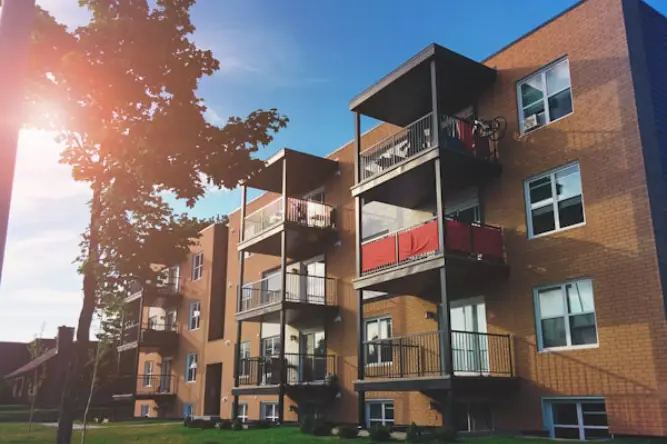
How it starts
The Inspection Process
Complaint Submission
Residents call 3-1-1 or 210-207-6000, or submit a report online via the city 311 portal.
Anonymous complaints acceptedCase Assignment & Prioritization
Officers review incoming complaints and prioritize them by severity.
Safety issues come firstOn-Site Inspection
Inspectors visit and document all visible violations.
Exterior-first approachNotice Of Violation Issued
Violations are issued with deadlines depending on severity.
7 – 30 days to correctRe-Inspection & Escalation
Follow-up inspections confirm correction completion.
Escalating fines if unresolvedCase Closed Or Referred
Once verified, the case is closed or escalated for legal action.
Compliance = case closed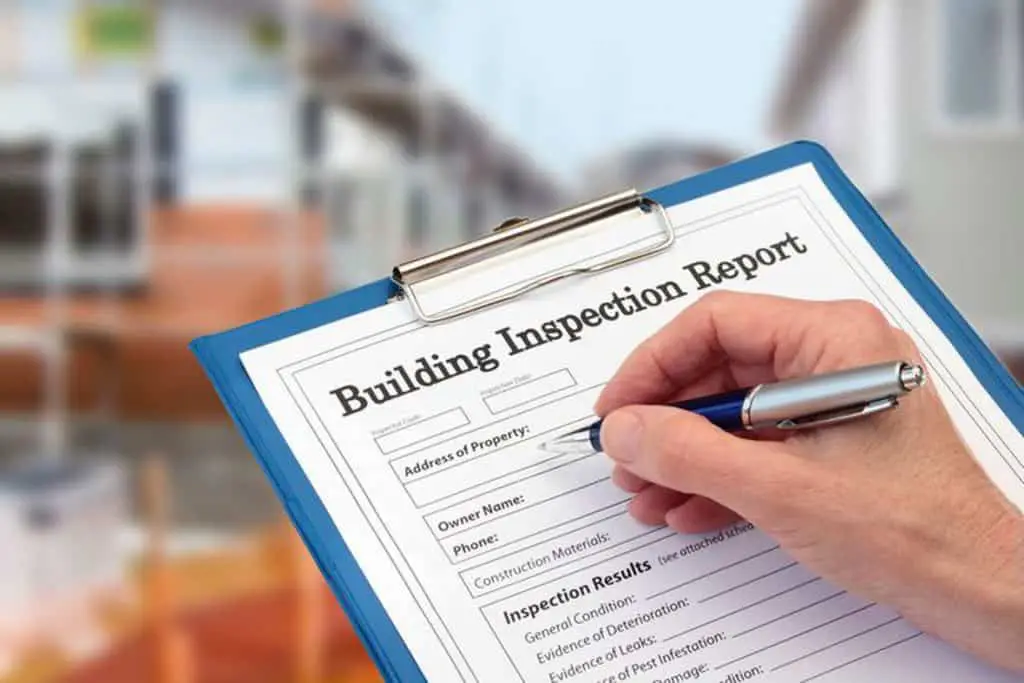
What inspectors examine
Focus is on minimum habitability and safety both in shared spaces and individual units when access is granted. Inspectors check structure, fire safety, electrical, plumbing, common areas, and all entry points.
Structure & exterior
Foundation, roof, siding, drainage, and overall structural safety of the building shell
Fire safety
Smoke & CO detectors, fire extinguishers, emergency lighting, and clear egress routes.
Electrical & HVAC
Exposed wiring, panel safety, heating, cooling, and ventilation compliance per code.
Plumbing & leaks
Water supply, drainage, active leaks, mold-contributing moisture, and sanitation.
Common areas
Stairs, handrails, parking, lighting, pools, laundry rooms, and shared facility upkeep.
Windows & doors
Secure locks, intact glazing, weatherproofing, and pest-exclusion at all openings.
The Bad Actor Program
Automatic enrollment occurs when 3 qualifying citations occur within any rolling 6-month window or by Building Standards Board order.
$100 per unit/year registration fee
Property must register and pay for the full duration of enrollment.
Up to 5% of units inspected monthly
Minimum 2 units per inspection mandatory for at least 8 months.
Graduation after sustained compliance
Properties exit after resolving all issues and completing probation.
Live public dashboard
City tracks all enrolled properties, inspections, and violations publicly.
What inspectors examine
Focus is on minimum habitability and safety both in shared spaces and individual units when access is granted. Inspectors check structure, fire safety, electrical, plumbing, common areas, and all entry points.

Code enforcement
- Complaint-driven or program-triggered
- Minimum habitability standards only
- No repair cost estimates provided
- Legal authority to cite and fine
- Exterior-first; units by consent only
Code enforcement
- Complaint-driven or program-triggered
- Minimum habitability standards only
- No repair cost estimates provided
- Legal authority to cite and fine
- Exterior-first; units by consent only
Buyer / investor inspection
- Voluntary and fully comprehensive
- Covers systems & future maintenance
- Detailed cost estimates included
- Paid directly by buyer or investor
- Full access to all areas and systems
Best practices for property managers
Proactive management is the single best way to stay out of the enforcement system entirely.

Respond quickly to notices
Document every repair with dated photos and receipts well before the correction deadline.
Address tenant complaints early
Resolving issues before a 311 call prevents escalation into the proactive program.
Sign up for email alerts
Get early warnings from the city before violations formally qualify toward enrollment.
Keep thorough records
Detailed maintenance logs and tenant communication history are your best defense.

Best practices for property managers
Proactive management is the single best way to stay out of the enforcement system entirely.